Colon cancer used to be considered a “later-in-life” disease. Something you worried about after 60, right alongside early bird dinners and mystery aches.
Not anymore.
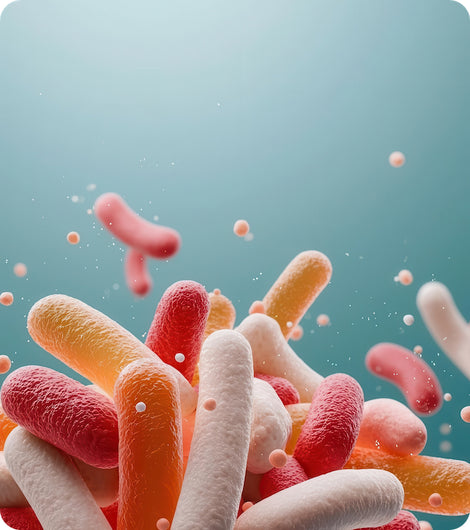
New research shows that colon cancer is rising fast in people under 50, and the most surprising clue points to something you probably don’t think about daily: your gut microbiome. Even more shocking? Some of the biological changes linked to cancer may begin decades earlier—possibly as early as infancy.
Here’s what’s happening.... Certain gut bacteria can produce toxins that damage DNA in the cells lining your colon. Scientists have now identified these exact DNA “fingerprints” in tumors from younger patients.
Translation: your gut environment today—and years ago—matters more than we ever realized. This doesn’t mean cancer is inevitable. It means biology is editable. And your food can do the editing
What This Means for Your Daily Food Choices
If your gut microbiome helps shape long-term health (and it does), then daily food choices aren’t about willpower — they’re about feeding the right biology.
Here’s how to think about food through a Precision Biology lens:
1. Eat for Your Microbes, Not Just the Scale
Your gut bacteria don’t just thrive on “fiber” — they thrive on specific kinds of fibers and resistant starches, and which ones matter depends on your biology.
👉 This is where the Digbi app and Asra, your AI coach, come in — helping you choose the right vegetables and starches that work for your glucose control and your gut microbiome.
Why it matters:
The right fibers and starches feed protective microbes that produce short-chain fatty acids — compounds linked to gut lining integrity and lower inflammation, both critical for long-term GI health.
2. Carbs Aren’t Bad — Glucose Chaos Is
The issue isn’t carbs; it’s repeated glucose spikes. Glucose chaos fuels inflammation and favors less helpful gut bacteria.
👉 Pair carbs with protein, fiber, or fat to slow absorption.
Digbi bonus: Your CGM shows your personal response — because two people can eat the same carb and get wildly different results.
3. Keto Isn’t Gut-Neutral
Highly restrictive diets — especially keto plans — can starve beneficial microbes. Over-restricting carbs and starches may reduce microbial diversity.
👉 Not exactly a gut glow-up.
The goal isn’t Keto — it’s the right carbs and starches, in the right amounts, for your biology.
4. Ultra-Processed ≠ Neutral
Ultra-processed foods are engineered for shelf life rather than microbial health. They are associated with reduced gut diversity and increased inflammation. Digbi's Grocery Scanner is your AI tool to alert you about products with added chemicals.
👉 You don’t need to be perfect — just be intentional.
5. Small Daily Choices > Big Resets
Your microbiome responds daily, not annually. One good meal won’t fix everything — but repeated small wins absolutely compound.
Bottom line:
You’re not just eating for today’s energy or tomorrow’s weight. You’re shaping the internal ecosystem that influences health years from now.
Good news?
Your microbes are fast learners. Feed them well, and they return the favor.